
Table of Contents
- Introduction: Why Understanding Newborn Sleep Cues Matters
- What Are Newborn Sleep Cues?
- Missing Sleep Cues Causes Overtired Babies
- How Early vs Late Sleep Cues Work
- 21 Newborn Sleep Cues Explained (With Examples)
- Sleep Cues by Newborn Age (0–12 Weeks)
- How Long Can a Newborn Stay Awake?
- Newborn Sleep Cues vs Hunger Cues
- What Happens When a Baby Becomes Overtired
- How to Respond to Sleep Cues Correctly
- Common Mistakes Parents Make With Sleep Cues
- Nighttime vs Daytime Sleep Cues
- Sleep Cues and Newborn Wake Windows
- How Sleep Cues Change as Baby Grows
- When Sleep Cues Don’t Work
- How to Track Your Baby’s Sleep Cues
- Sleep Cues for Breastfed vs Formula-Fed Babies
- Safe Sleep Tips While Following Sleep Cues
- Frequently Asked Questions (FAQs)
- Final Thoughts: Trusting Your Baby’s Signals
1. Introduction: Why Understanding Newborn Sleep Cues Matters
One of the biggest struggles new parents face is figuring out when their newborn actually needs sleep. Many babies don’t simply fall asleep on their own. Instead, they give subtle — and sometimes confusing — signals known as newborn sleep cues.
Missing these cues can lead to:
- Excessive crying
- Short naps
- Difficulty settling at night
- An overtired and overstimulated baby
Learning to recognize newborn sleep cues early can dramatically improve your baby’s sleep — and your peace of mind.
2. What Are Newborn Sleep Cues?
Newborn sleep cues are physical and behavioral signs that indicate your baby is getting tired and ready for sleep.
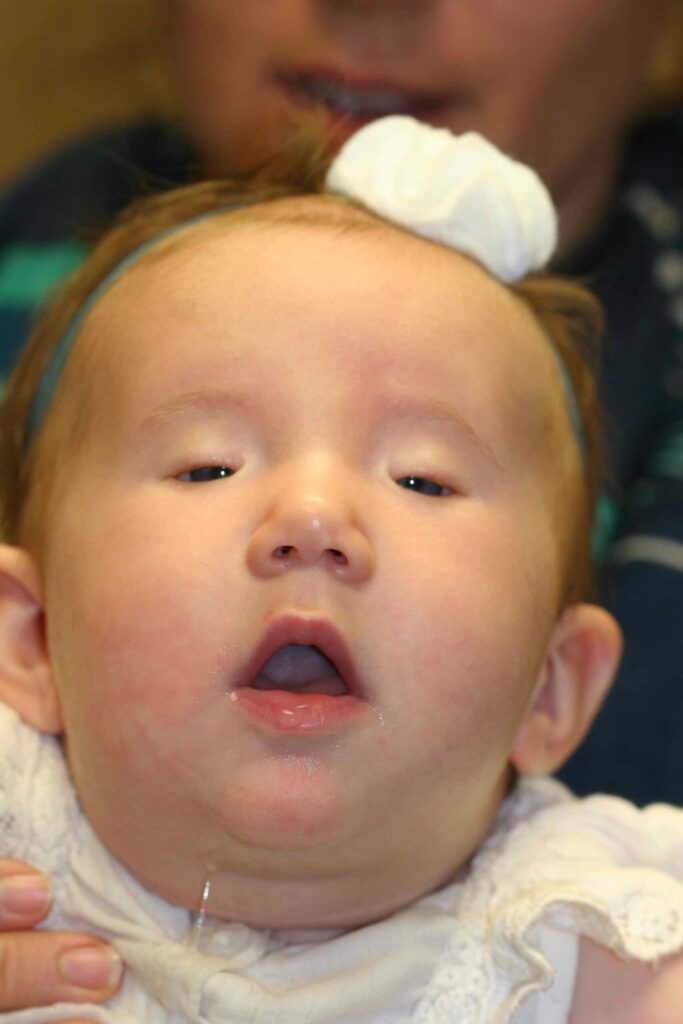
Unlike adults, newborns cannot stay awake for long periods. Their nervous systems are still developing, and they rely on parents to notice these signals and help them fall asleep.
Sleep cues can be:
- Physical (eye rubbing, red eyelids)
- Behavioral (fussiness, zoning out)
- Vocal (soft whining or crying)
3. Why Missing Sleep Cues Causes Overtired Babies
When parents miss early newborn sleep cues, babies become overtired. An overtired baby releases stress hormones like cortisol and adrenaline, making it even harder for them to fall asleep.
This often results in:
- Crying that seems “for no reason”
- Fighting sleep
- Frequent night wakings
- Short naps
Recognizing sleep cues early prevents this cycle.
4. How Early vs Late Sleep Cues Work
Understanding the difference between early and late sleep cues is critical.

Early Sleep Cues (Best Time to Put Baby Down)
- Slower movements
- Staring into space
- Less interaction
- Gentle eye rubbing
Late Sleep Cues (Baby Is Already Overtired)
- Crying
- Arching back
- Red face
- Clenched fists
Always aim to act on early newborn sleep cues, not late ones.
5. 21 Newborn Sleep Cues Every Parent Should Know
1. Staring Off Into Space
Your baby may suddenly stop engaging and appear “zoned out.”
2. Slower Movements
Arm and leg movements become less energetic.
3. Droopy or Heavy Eyelids
A classic newborn sleep cue many parents miss.
4. Red or Pink Eyelids
Often mistaken for irritation, but it’s a sign of tiredness.
5. Brief Eye Rubbing
Light rubbing = early sleep cue. Aggressive rubbing = overtired.
6. Yawning
Yawning is a late newborn sleep cue, act fast.
7. Decreased Eye Contact
Baby avoids looking at faces or toys.
8. Quieter Behavior
Sudden calmness may mean sleep is near.
9. Fussing Without Crying
Soft whining often appears before full crying.
10. Pulling at Ears
Not always ear infection — often tiredness.
11. Clenched Fists
A tired baby may tighten hands.
12. Jerky Movements
Overstimulation causes sudden arm flails.

13. Back Arching
A strong sign your newborn is overtired.
14. Turning Head Away
Baby avoids stimulation.
15. Reduced Feeding Interest
Tired babies may stop sucking.
16. Increased Sensitivity to Noise
Small sounds cause big reactions.
17. Facial Grimacing
Tight facial expressions signal fatigue.
18. Crying After Feeding
Often mistaken for hunger — actually sleep deprivation.
19. Short Attention Span
Baby loses interest quickly.
20. Sudden Irritability
Mood changes rapidly.
21. Falling Asleep Briefly Then Waking
Micro-sleep indicates extreme tiredness.
6. Sleep Cues by Newborn Age (0–01Years)
0–4 Months
- Subtle cues
- Short wake windows (30–45 minutes)
- Mostly physical signs
5–8 Months
- More alert
- Clearer behavioral cues
- Wake windows increase slightly
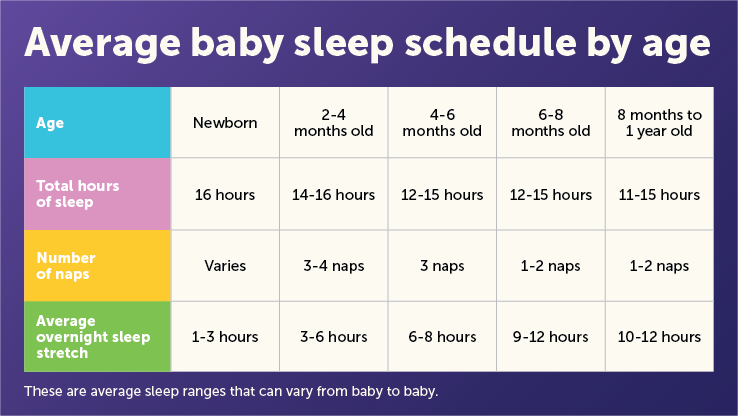
9–12 Months
- Predictable patterns
- Easier to spot cues
- Longer naps possible
7. How Long Can a Newborn Stay Awake?
Average newborn wake windows:
- 0–4 weeks: 30–45 minutes
- 1–2 months: 45–60 minutes
- 2–3 months: 60–90 minutes
Sleep cues usually appear 10–15 minutes before the wake window ends.
8. Newborn Sleep Cues vs Hunger Cues
Many parents confuse tiredness with hunger.
Hunger Cues:
- Rooting
- Lip smacking
- Sucking hands
Sleep Cues:
- Eye rubbing
- Turning away
- Fussing after feeding
If your baby cries after feeding, sleep cues are often the reason.
9. What Happens When a Baby Becomes Overtired
Overtired babies:
- Sleep less
- Wake more often
- Cry harder
- Resist soothing
Following newborn sleep cues helps avoid this cycle.
10. How to Respond to Sleep Cues Correctly
When you see early sleep cues:
- Reduce stimulation
- Dim the lights
- Swaddle if appropriate
- Use gentle motion or white noise
- Put baby down before crying starts

11. Common Mistakes Parents Make With Sleep Cues
- Waiting for crying
- Keeping baby awake “longer”
- Over-entertaining
- Ignoring wake windows
- Assuming crying always means hunger
12. Nighttime vs Daytime Sleep Cues
Daytime cues are often subtle.
Nighttime cues appear stronger due to stimulation buildup.
Always follow cues, not the clock.
13. Sleep Cues and Newborn Wake Windows
Wake windows guide when to expect cues.
Sleep cues confirm when your baby is ready.
Use both together for best results.
14. How Sleep Cues Change as Baby Grows
As babies grow:
- Cues become clearer
- Wake windows lengthen
- Sleep becomes more predictable
15. When Sleep Cues Don’t Work
Sometimes sleep cues fail due to:
- Growth spurts
- Illness
- Developmental leaps
Stay flexible and responsive.
16. How to Track Your Baby’s Sleep Cues
- Keep a simple log
- Note wake times
- Observe patterns
- Adjust daily
17. Sleep Cues for Breastfed vs Formula-Fed Babies
Breastfed babies may show:
- Shorter wake windows
- More frequent cues
Formula-fed babies may:
- Stay awake slightly longer
18. Safe Sleep Tips While Following Sleep Cues
- Always place baby on their back
- Use a firm mattress
- Avoid loose bedding
- Follow safe sleep guidelines
19. Frequently Asked Questions (FAQs)
Q: Can newborn sleep cues be missed?
Yes, especially early cues.
Q: Is yawning an early sleep cue?
No, yawning is a late cue.
Q: Should I wake a sleeping newborn?
Only if advised by a pediatrician.
20. Final Thoughts: Trusting Your Baby’s Signals
Understanding newborn sleep cues is one of the most powerful tools parents can learn. Your baby is constantly communicating — it’s just a matter of learning their language.
Respond early, stay consistent, and trust yourself. Better sleep starts with noticing the signs.
You can also read our more blog related to parenting tips & tricks https://mybabyshaby.com/common-mistakes-first-time-parents-make/