Why Do Babies Cry When Born? The Real Reason Every Parent Should Know
Introduction: Why Do Babies Cry When Born?
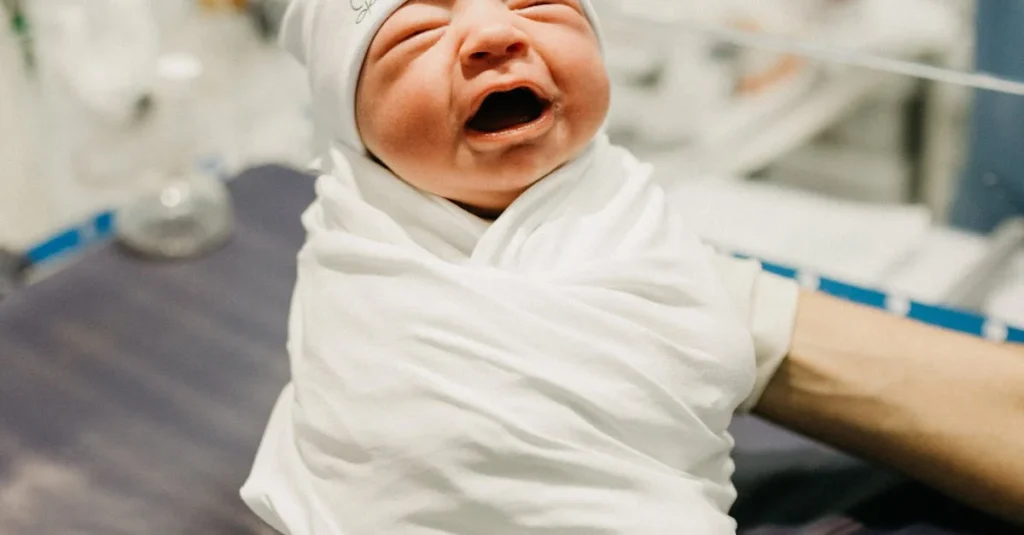
The moment a baby enters the world, the first sound most parents hear is a loud cry. For centuries, this cry has symbolized life, health, and the beginning of a new journey. But many new and expecting parents still ask an important question: why do babies cry when born? Is it pain, fear, or something else entirely?
Understanding why babies cry at birth can ease parental anxiety and help families appreciate this natural biological response. This first cry is not a sign of distress alone—it is a powerful survival mechanism designed by nature.
In this detailed guide, we will explore why babies cry when they are born, the science behind it, medical perspectives, emotional meanings, myths, and what parents should know.
What Is a Baby’s First Cry?
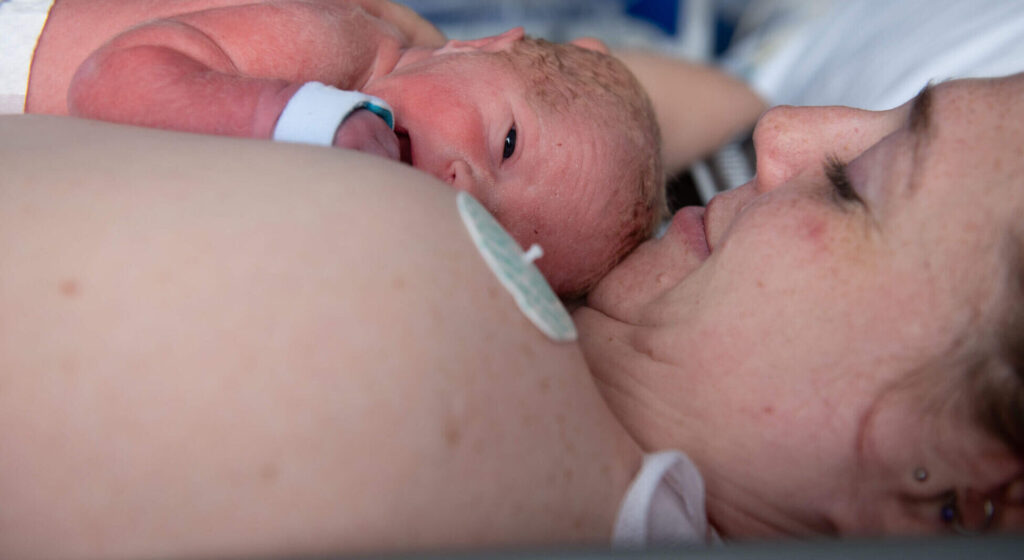
A baby’s first cry is the initial vocal sound produced immediately after birth. It usually occurs within seconds of delivery and is one of the earliest signs that the baby is alive and responsive.
Doctors and midwives closely observe this cry because it provides important information about the baby’s lung function, oxygen intake, and nervous system.
Why the First Cry Is Important
- Helps expand the lungs
- Clears fluid from airways
- Signals healthy breathing
- Indicates neurological response
In simple words, babies cry when born to start breathing on their own.
The Primary Reason: Starting the Breathing Process
Why Do Babies Cry When Born to Breathe?
Inside the womb, babies receive oxygen through the placenta and umbilical cord. Their lungs are filled with fluid and are not used for breathing air.
When a baby is born:
- The umbilical cord is cut
- Oxygen supply from the mother stops
- The baby must breathe independently
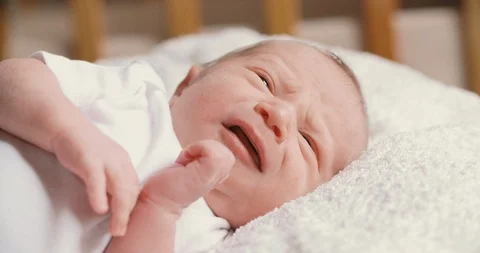
The first cry creates strong pressure in the chest, forcing fluid out of the lungs and allowing air to enter. This is why the first cry is essential for survival.
Medical Explanation
According to pediatric science, crying helps:
- Open tiny air sacs (alveoli)
- Increase oxygen levels in blood
- Establish regular breathing patterns
Without this cry, doctors may stimulate the baby to ensure proper breathing begins.
Sudden Temperature Change
From Warm Womb to Cool World
Another key reason babies cry when born is the sudden change in temperature.
Inside the womb:
- Temperature is constant and warm
- Environment is dark and cushioned
Outside the womb:
- Air feels cold
- Lights are bright
- Sounds are louder
This dramatic environmental shift shocks the baby’s nervous system, triggering a cry.
Sensory Overload After Birth
New Sights, Sounds, and Touch
Birth exposes a baby to intense sensory experiences:
- Bright hospital lights
- Loud noises
- Touch from doctors and nurses
For a newborn, this is overwhelming. Crying is the baby’s only way to react and communicate discomfort.
This explains why babies cry immediately after birth even when they are healthy.
Physical Pressure During Labor
Does Birth Cause Pain?
During vaginal delivery, babies experience pressure as they move through the birth canal. While it is not proven that babies feel pain the same way adults do, the physical compression can be uncomfortable.
The release of this pressure at birth can cause babies to cry as their bodies adjust.
This does not mean the baby is harmed—it is a natural response.
Natural Reflexes and Survival Instincts
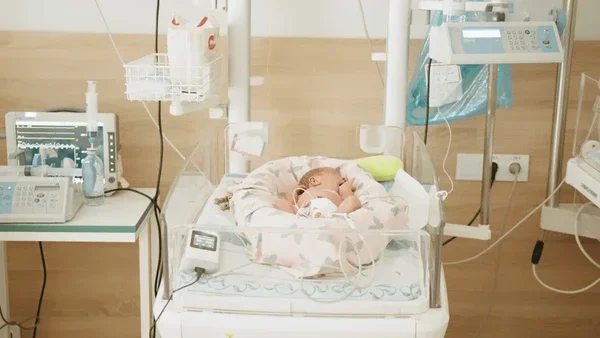
Crying is an inborn reflex. Newborns are biologically programmed to cry as a form of communication.
At birth, crying:
- Alerts caregivers
- Signals needs
- Encourages bonding
From an evolutionary perspective, a crying baby is more likely to receive care and protection.
Is Crying at Birth a Sign of Good Health?
What Doctors Look For
In many cases, yes. A strong cry often indicates:
- Healthy lungs
- Good oxygen levels
- Active nervous system
Doctors use the Apgar Score, which assesses:
- Appearance
- Pulse
- Grimace response
- Activity
- Respiration
A good cry improves the respiration score.
However, not crying immediately does not always mean something is wrong. Some babies cry softly or after a few seconds.
Why Some Babies Don’t Cry Right Away
Common Reasons
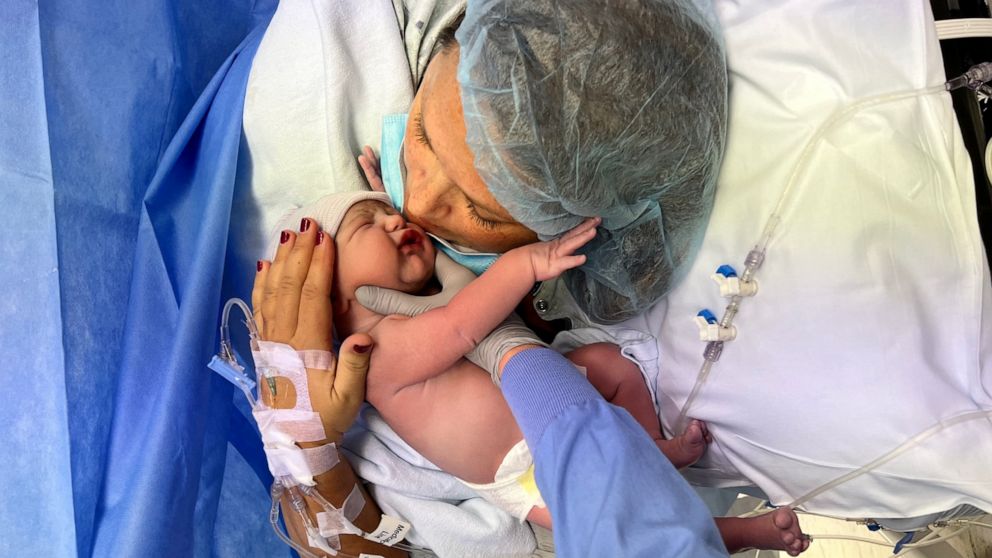
Not all babies cry instantly at birth. This can happen due to:
- Cesarean delivery
- Premature birth
- Mucus in airways
- Maternal medications
Medical staff are trained to gently stimulate babies if needed. Most babies begin breathing normally within moments.
Myth vs Reality: Why Babies Cry When Born
Myth 1: Babies Cry Because They Are in Pain
Reality: Crying is mainly a breathing response, not pain.
Myth 2: A Loud Cry Means a Stronger Baby
Reality: Soft cries can also be normal.
Myth 3: Crying Means Something Is Wrong
Reality: Crying at birth is usually a positive sign.
Emotional Meaning of the First Cry for Parents
For parents, especially first-time parents, the first cry brings relief, joy, and emotion. It confirms life and health.
Many cultures believe a baby’s first cry symbolizes:
- Entry into the world
- Separation from the mother
- Beginning of individuality
Cultural and Historical Perspectives
Across cultures, the first cry has held symbolic meaning:
- In some traditions, it represents good fortune
- In others, it marks the soul’s arrival
Despite cultural beliefs, science agrees on one fact: babies cry when born to adapt to life outside the womb.
How Parents Should Respond to a Newborn’s Cry
Immediately After Birth
- Skin-to-skin contact
- Gentle touch
- Calm voices
These actions help regulate the baby’s breathing and heart rate.
When Should Parents Be Concerned?
While crying is normal, parents should be aware of rare warning signs:
- No breathing effort
- Blue or pale skin
- Weak muscle tone
In hospitals, medical teams monitor babies closely to ensure safety.
You can read out more blog related to new parenting technique .Daily Routine for Newborn Babies: 12 Positive Sample Schedule for Parents
Frequently Asked Questions (FAQs)
Why do babies cry when born immediately?
Babies cry to clear their lungs and begin breathing air.
Is it normal if a baby doesn’t cry at birth?
Yes, especially in C-section births. Doctors assist if needed.
Do babies feel pain when they are born?
There is no clear evidence that newborns experience pain the same way adults do.
Does crying help bonding?
Yes, crying encourages parental response and attachment.
Conclusion: Understanding Why Babies Cry When Born
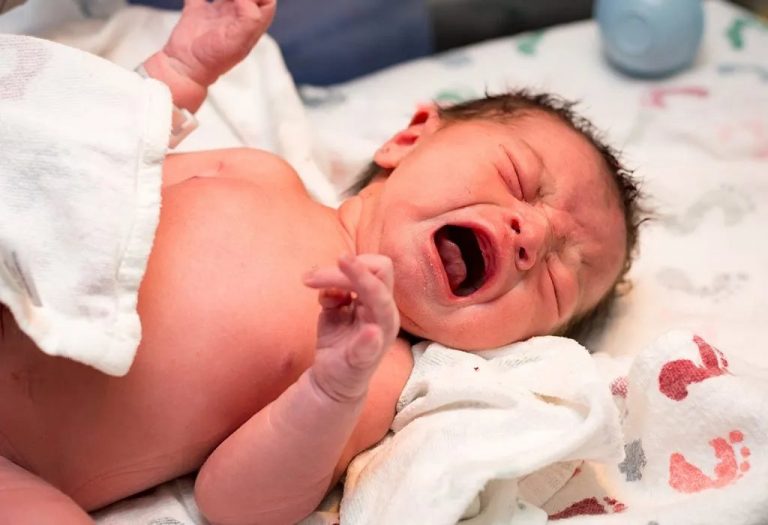
The answer to why do babies cry when born lies in biology, survival, and adaptation. Crying helps babies breathe, adjust to temperature changes, process new sensations, and signal their needs.
For parents, that first cry is not something to fear—it is a sign of life, strength, and a healthy transition into the world. Understanding this process builds confidence and reduces unnecessary worry.
As your parenting journey begins, remember: a baby’s cry is their first language, and it starts at birth.