
Introduction
Parenting is one of the most beautiful yet challenging responsibilities in life. Every parent wants their child to grow up happy, confident, successful, and emotionally strong. Impact of parents’ behavior on children’s mental health, Parents work hard to provide their children with food, education, clothing, and a comfortable lifestyle. However, one important aspect of a child’s development is sometimes overlooked: mental health.
A child’s mental health is influenced by many factors, including their environment, education, friendships, experiences, and family relationships. Impact of Parents’ Behavior on Children’s Mental Health, Among these influences, parents’ behavior plays a particularly important role. The way parents communicate, express emotions, handle stress, resolve conflicts, and respond to their children’s needs can shape how children understand themselves and the world around them.
Children learn much more from what their parents do than from what they say. A parent who shows kindness, patience, understanding, and respect teaches children valuable emotional skills. On the other hand, constant criticism, anger, neglect, unrealistic expectations, and excessive control can negatively affect a child’s emotional development.
This does not mean that parents must be perfect. Every parent makes mistakes, experiences frustration, and sometimes struggles to manage difficult situations. What truly matters is the ability to recognize mistakes, learn from them, and create a healthy environment where children feel safe, respected, and loved.
In this blog, we will explore how parents’ behaviour affects children’s mental health, the consequences of unhealthy parenting patterns, and practical ways parents can support their children’s emotional well-being.
1. Understanding the Connection Between Parenting and Children’s Mental Health
Mental health is just as important as physical health. It influences how children think, feel, behave, communicate, and respond to different situations.
During childhood, the brain and emotional system are still developing. Children are learning how to manage their feelings, build relationships, solve problems, and understand their identities. Their parents are often their first teachers and role models.
A supportive parenting environment helps children develop:
- Self-confidence and a positive self-image.
- Emotional awareness and self-control.
- Healthy communication skills.
- The ability to build trusting relationships.
- Independence and decision-making skills.
- Resilience when facing challenges.
When children regularly experience fear, rejection, humiliation, or emotional insecurity at home, they may struggle to develop these skills.
For example, imagine a child who makes a mistake while doing homework. One parent responds by calmly explaining the mistake and helping the child understand the correct answer. Another parent responds by shouting, calling the child lazy, or comparing them with other children.
Both parents are responding to the same situation, but their behavior may create very different emotional experiences.
Impact of parents’ behaviour on children’s mental health
The first child may learn that mistakes are opportunities to improve. The second may begin to associate mistakes with shame, fear, and failure.
This illustrates why everyday parenting behaviours matter so much.
2. The Power of Words: How Parents’ Communication Affects Children
Words have a lasting influence on children’s thoughts and feelings. Parents may forget something they said during an argument, but children can remember hurtful comments for years.
Positive communication helps children feel accepted and valued. When parents listen carefully, encourage their children, and speak respectfully, they create an atmosphere of emotional security.
However, repeated negative communication can damage children’s confidence.

The impact of constant criticism
Some parents believe that criticizing children will motivate them to perform better. They may regularly say things such as:
- “You are never good enough.”
- “Why can’t you be like your brother or sister?”
- “You always make mistakes.”
- “You will never succeed.”
Although parents may intend to encourage improvement, these statements can make children feel worthless or incapable.
Over time, repeated criticism may contribute to low self-esteem, anxiety, fear of failure, and difficulty accepting themselves.
Instead of criticizing a child’s personality, parents should focus on correcting specific behaviours.
For example, rather than saying, “You are irresponsible,” parents can say, “You forgot to complete your homework today. Let’s make a plan so you can remember tomorrow.”
This approach teaches responsibility without attacking the child’s self-worth.
The importance of encouragement
Encouragement helps children recognize their strengths and believe in their abilities.
Parents should appreciate effort, progress, honesty, kindness, and determination rather than focusing only on achievements.
Simple statements such as “I am proud of your effort,” “You can try again,” and “I believe in you” can help children develop a healthier attitude towards challenges.
3. Emotional Neglect: When Children Feel Unheard and Unimportant
Providing children with food, clothes, education, and shelter is essential, but emotional care is equally important.
Emotional neglect occurs when a child’s emotional needs are consistently overlooked. This can happen even in families where parents provide material comfort.
For example, a child may return home feeling upset because of a problem at school. Instead of listening, a parent might say:
“Stop crying. This is not a big problem.”
“Don’t waste your time on these silly things.”
“Children should not worry about such matters.”
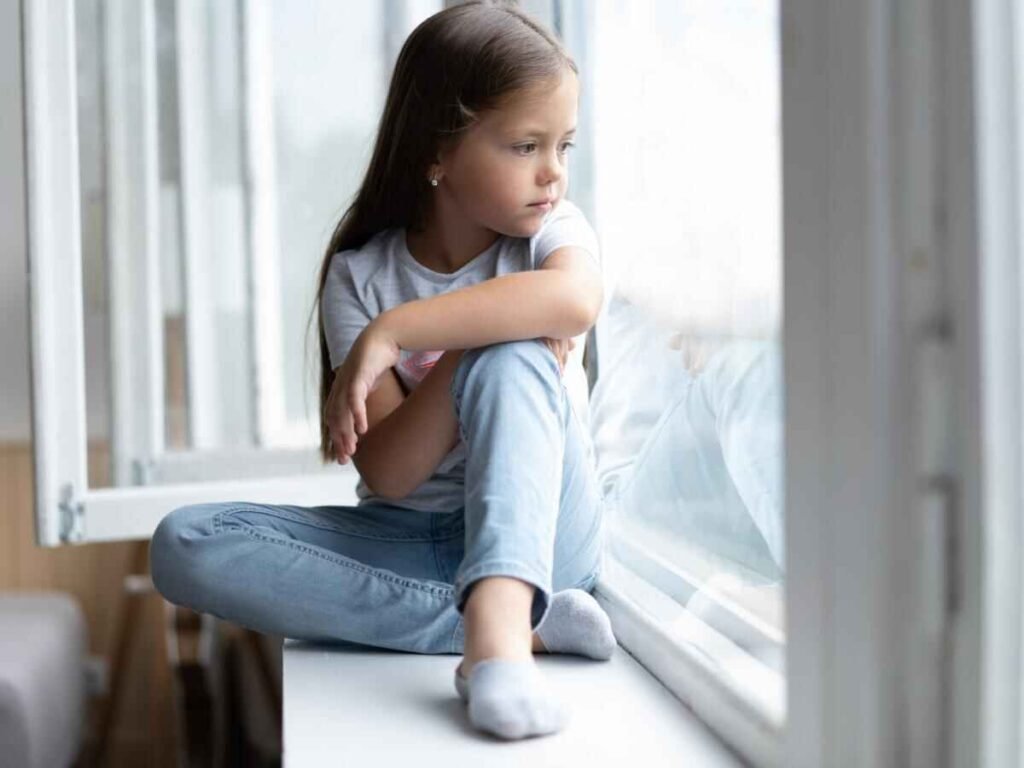
When parents repeatedly dismiss their children’s feelings, children may begin to believe that their emotions are unimportant.
They might stop sharing their problems, hide their sadness, or struggle to express themselves.
How parents can prevent emotional neglect
Parents can support their children’s emotional needs by:
- Giving them time and attention every day.
- Listening without immediately judging or interrupting.
- Asking about their feelings and experiences.
- Showing affection through words and actions.
- Taking their concerns seriously, even when they seem small.
- Creating an environment where children feel comfortable asking for help.
Sometimes, children do not need solutions immediately. They simply need someone who listens and makes them feel understood.
You can also read our article related to new born: https://mybabyshaby.com/first-30-days-with-a-newborn/
4. The Effects of Anger and Frequent Shouting on Children
Every parent experiences anger. Parenting responsibilities, financial pressure, work stress, and family problems can sometimes make emotional control difficult.
However, frequent shouting, aggressive behaviour, and unpredictable anger can make children feel unsafe in their own homes.
Children who regularly witness intense anger may become overly cautious about their parents’ moods. They may constantly worry about making mistakes or triggering another argument.
Some children respond by becoming quiet and withdrawn, while others may develop anger and behavioural difficulties themselves.
Why parents should manage their anger
Children learn emotional responses by observing adults.
If parents handle every disagreement through shouting, children may begin to believe that aggression is a normal way to solve problems.
Instead, parents can model healthier behaviour by:
- Taking a short break when emotions become overwhelming.
- Speaking calmly instead of raising their voices.
- Avoiding arguments in front of children whenever possible.
- Apologizing when they lose control.
- Discussing problems respectfully.
- Seeking support when anger becomes difficult to manage.
Parents should remember that apologizing does not weaken their authority. It demonstrates accountability and teaches children that everyone is responsible for their actions.
5. The Role of Love, Affection, and Emotional Security
Love is one of the most important foundations of healthy parenting.
Children need to know that they are loved not only when they achieve good grades, behave perfectly, or follow every instruction, but simply because they are valuable members of the family.
Unconditional love does not mean allowing children to do whatever they want. It means correcting inappropriate behaviour without withdrawing affection or respect.
For example, parents can say:
“I do not agree with what you did, but I love you, and we will work through this together.”
This message helps children understand that making mistakes does not make them unworthy of love.
Benefits of emotional security
When children feel emotionally secure, they are more likely to:
- Express their thoughts and feelings.
- Develop healthy relationships.
- Explore new experiences.
- Ask questions without fear.
- Accept mistakes and learn from them.
- Develop a stronger sense of self-worth.
A warm hug, a few encouraging words, or a meaningful conversation can sometimes have a greater emotional impact than expensive gifts.

6. How Overprotective Parenting Can Affect Mental Health
Protecting children is a natural parental responsibility. However, excessive protection can sometimes prevent children from developing independence and confidence.
Overprotective parents may make every decision for their children, prevent them from taking reasonable risks, and constantly intervene whenever they face difficulties.
Although this behaviour often comes from love and concern, it may unintentionally communicate that children cannot manage challenges independently.
As a result, some children may struggle with decision-making, become overly dependent on their parents, or experience anxiety when facing unfamiliar situations.
Finding a healthy balance
Parents should provide guidance while allowing children to learn through age-appropriate experiences.
For example:
- Allow young children to complete simple tasks independently.
- Encourage school-aged children to solve manageable problems.
- Let teenagers participate in decisions that affect their lives.
- Teach children how to recognize risks rather than avoiding every challenge.
- Offer support without controlling every aspect of their lives.
The goal of parenting is not to protect children from every difficulty. It is to prepare them to face life’s challenges with confidence and responsibility.
7. The Negative Effects of Comparing Children With Others
Comparison is one of the most common parenting mistakes.
Parents sometimes compare their children with siblings, cousins, classmates, or neighbours because they believe comparison will encourage improvement.
Statements such as “Your cousin always gets better grades” or “Look how successful your sister is” can make children feel inferior. Impact of parents’ behavior on children’s mental health
Every child has different strengths, interests, learning abilities, and developmental needs.
Constant comparison may contribute to:
- Low self-esteem.
- Jealousy between siblings.
- Feelings of inadequacy.
- Fear of disappointing parents.
- Unhealthy competition.
- Resentment towards family members.
Instead of comparing children with others, parents should focus on individual growth.
A better approach is to recognize personal progress.
For example, a parent might say, “You have improved so much in mathematics compared with last month. Keep practising.”
This encourages children to compete with their previous achievements rather than constantly measuring themselves against others.
8. Academic Pressure and Its Impact on Children’s Mental Health
Education is important for a child’s future, but excessive academic pressure can negatively affect emotional well-being.
Some parents place unrealistic expectations on their children, expecting excellent grades, outstanding performance, and success in every subject.
When children feel that their parents’ love or approval depends on academic achievement, they may develop intense fear of failure.
This pressure can contribute to stress, sleep difficulties, anxiety, reduced motivation, and emotional exhaustion.
How parents can create a healthy learning environment
Parents should remember that grades do not define a child’s intelligence, personality, or future potential.
They can support healthy academic development by:
- Setting realistic expectations.
- Recognizing effort and improvement.
- Allowing time for hobbies and recreation.
- Avoiding punishment for every academic mistake.
- Understanding individual learning abilities.
- Communicating with teachers when children struggle.
- Encouraging curiosity and a love of learning.
Children need encouragement, not constant pressure.
A balanced approach to education helps children understand that learning is a lifelong process rather than a competition.
9. The Impact of Family Conflicts on Children’s Emotional Well-Being
A child’s home should ideally be a place of safety, comfort, and emotional stability.
Impact of parents’ behaviour on children’s mental health
However, frequent arguments, hostility, and unresolved conflicts between parents can create an uncomfortable home environment.
Even when parents do not directly involve their children in disagreements, children may notice changes in tone, facial expressions, behaviour, and family relationships.
Some children may blame themselves for their parents’ arguments. Others may become anxious, withdrawn, or overly protective of one parent.
Creating a healthier family environment
Parents do not need to agree on everything. Disagreements are a normal part of relationships.
What matters is how they handle those disagreements.
Healthy approaches include:
- Discussing disagreements respectfully.
- Avoiding insults, threats, and physical aggression.
- Not asking children to take sides.
- Reassuring children that adult conflicts are not their responsibility.
- Demonstrating respectful problem-solving.
- Seeking professional support when conflicts become difficult to manage.
If children witness frightening or abusive behaviour, their safety should be the priority.
10. Parenting Styles and Their Influence on Children’s Mental Health
Different parenting styles can create different experiences for children.
Understanding these approaches can help parents recognize which behaviours support healthy development.
Authoritative parenting
Authoritative parenting combines love, emotional support, clear expectations, and appropriate boundaries.
Parents listen to their children while maintaining reasonable rules and responsibilities.
This approach is generally associated with positive outcomes, including better emotional regulation, confidence, and social skills.
Authoritarian parenting
Authoritarian parenting emphasizes obedience, strict rules, and parental control.
Children may have limited opportunities to express opinions or participate in decisions.
When this approach involves harsh punishment, intimidation, or constant criticism, it may contribute to anxiety, reduced confidence, and difficulties with independent decision-making.
Permissive parenting
Permissive parents are often affectionate but may struggle to establish consistent boundaries.
Children may receive considerable freedom without sufficient guidance.
Without appropriate limits, some children may have difficulty developing self-discipline and managing frustration.
Neglectful parenting
Neglectful parenting involves limited emotional involvement, guidance, and attention to children’s needs.
Children experiencing persistent neglect may struggle with emotional security, trust, and healthy relationship development.
Every family is different, but a balanced approach that combines affection, communication, guidance, and consistent boundaries provides a strong foundation for children’s well-being.
11. The Importance of Being a Positive Role Model
Children learn by observing their parents.
They notice how parents speak to others, respond to stress, handle disappointment, treat family members, and manage everyday responsibilities.
Parents who demonstrate honesty, kindness, patience, and respect provide children with valuable examples to follow.
For instance, if parents expect children to speak politely but regularly use insulting language themselves, children may become confused about what respectful communication actually means.
Similarly, parents who demonstrate healthy emotional management teach children that difficult feelings can be handled without aggression.

Ways to become a positive role model
- Practise respectful communication.
- Show kindness towards others.
- Accept responsibility for mistakes.
- Demonstrate patience during difficult situations.
- Maintain healthy personal boundaries.
- Show appreciation and gratitude.
- Treat children and other family members with dignity.
Remember, children do not need perfect parents. They need parents who are willing to grow, improve, and demonstrate healthy behaviour.
12. The Influence of Digital Habits on Parenting and Children’s Mental Health
Technology has become an important part of modern family life.
Smartphones, social media, online games, and digital entertainment influence how parents and children spend their time.
While technology offers educational and social benefits, excessive screen use can sometimes reduce meaningful family interaction.
For example, when parents constantly use their phones during meals or conversations, children may feel ignored or less important.
Similarly, children who spend excessive time online without appropriate guidance may encounter cyberbullying, inappropriate content, unrealistic comparisons, or sleep disruption.
Building healthier digital habits
Parents can establish healthy technology practices by:
- Setting age-appropriate screen-time boundaries.
- Creating device-free family moments.
- Encouraging outdoor activities and hobbies.
- Monitoring online safety in an age-appropriate way.
- Discussing social media pressures openly.
- Demonstrating balanced technology use themselves.
The most effective way to teach healthy digital habits is to practise them as a family.
13. How to Recognize Signs of Emotional Distress in Children
Children do not always have the words to explain what they are feeling.
Sometimes, emotional distress appears through changes in behaviour rather than direct communication.
Parents should pay attention to persistent or significant changes such as:
- Becoming unusually quiet or socially withdrawn.
- Frequent irritability or emotional outbursts.
- Changes in sleeping patterns.
- Loss of interest in favourite activities.
- Persistent fear or worry.
- Difficulty concentrating.
- Sudden changes in academic performance.
- Frequent unexplained physical complaints.
- Expressing feelings of worthlessness or hopelessness.
These signs do not necessarily mean a child has a mental health disorder. They may also be related to physical health, school difficulties, social experiences, or other stressors.
However, parents should take these changes seriously, listen without judgment, and seek guidance from a qualified mental health professional when concerns persist or interfere with daily life.
If a child talks about self-harm or suicide, parents should take it seriously and seek urgent professional support.
14. Practical Ways Parents Can Improve Their Children’s Mental Health
Supporting children’s mental health does not always require complicated methods or expensive resources.
Small, consistent changes in everyday parenting can make a meaningful difference.
Here are some practical strategies:
1. Spend quality time together
Make time for conversations, games, walks, reading, and shared activities.
Children need to feel that their parents are genuinely interested in their lives.
2. Listen without judging
Allow children to express their feelings without immediately criticizing, interrupting, or dismissing them.
Listening helps build trust and encourages open communication.
3. Appreciate effort rather than perfection
Recognize hard work, courage, honesty, and improvement.
Teach children that mistakes are part of learning.
4. Establish healthy boundaries
Children need freedom, but they also need structure.
Set clear and age-appropriate rules while explaining the reasons behind them.
5. Avoid harsh punishment
Discipline should teach rather than frighten.
Use calm explanations, reasonable consequences, and opportunities to correct mistakes.
6. Encourage emotional expression
Teach children that feeling sad, angry, nervous, or disappointed is normal.
Help them identify their emotions and find healthy ways to manage them.
7. Respect their individuality
Recognize that children have different personalities, abilities, interests, and dreams.
Avoid forcing them to follow expectations that do not reflect their individual strengths.
8. Take care of your own mental health
Parents also experience stress, exhaustion, and emotional difficulties.
Getting enough rest, seeking support, managing stress, and accessing professional help when needed can improve family relationships.
9. Create a safe home environment
Make sure children know they can talk about problems without automatically facing anger, humiliation, or rejection.
10. Show love consistently
Express affection through kind words, supportive actions, attention, and encouragement.
Children should not have to earn basic love and respect.
15. Why Parents Should Break Unhealthy Parenting Patterns
Many adults raise their children using the methods they experienced during their own childhood.
Some may have grown up with strict discipline, emotional distance, constant comparison, or unrealistic expectations. Without realizing it, they may repeat these behaviours with their own children.
This is sometimes described as an intergenerational cycle of unhealthy parenting.
Breaking this cycle requires awareness, patience, and a willingness to change.
Parents can begin by asking themselves:
- Do I listen to my children when they express their feelings?
- Do I criticize their behaviour or attack their personality?
- Do I compare them with other children?
- Can they disagree with me respectfully without feeling afraid?
- Do I apologize when I make mistakes?
- Am I giving them enough emotional support?
These questions are not intended to make parents feel guilty. They are opportunities for reflection and growth.
A parent who recognizes an unhealthy pattern has already taken an important step towards creating a healthier family environment.
16. The Importance of Parent-Child Communication in Building Trust
Trust is the foundation of a healthy parent-child relationship.
When children feel comfortable communicating with their parents, they are more likely to discuss personal problems, friendships, academic concerns, and difficult experiences.
However, trust cannot be developed through instructions alone. It requires consistent actions.
Parents should avoid using every conversation as an opportunity to lecture or criticize.
Instead, they should create opportunities for meaningful discussions.
For example, rather than asking only, “Did you finish your homework?” parents can ask:
- “What was the best part of your day?”
- “Was anything difficult at school today?”
- “Is there something you would like to talk about?”
- “How can I support you?”
These simple questions show children that their experiences and feelings matter.
Trust grows when parents respond with understanding, protect appropriate privacy, and keep their promises.
17. The Long-Term Effects of Healthy and Unhealthy Parenting
The experiences children have during their early years can influence their development as teenagers and adults.
Healthy parenting can help children develop emotional resilience, self-confidence, communication skills, and the ability to establish healthy relationships.
Children who feel supported are often better equipped to face challenges, recover from setbacks, and seek help when necessary.
On the other hand, persistent exposure to harsh criticism, emotional neglect, fear, and instability may increase the risk of emotional and behavioural difficulties.
Some individuals who experienced unhealthy parenting may struggle with trust, self-worth, emotional expression, or relationships later in life.
However, childhood experiences do not determine a person’s future completely.
People can develop healthier patterns through supportive relationships, self-awareness, counselling, and personal growth.
It is never too late for parents to improve their relationships with their children.
Conclusion: Raising Emotionally Healthy Children Starts With Parents
A child’s mental health is influenced by many experiences, but the family environment plays a significant role in shaping emotional development.
Parents are more than providers of food, shelter, and education. They are also children’s first teachers, emotional guides, and most influential role models.
The way parents speak, listen, respond to mistakes, manage anger, and demonstrate affection can influence how children view themselves and build relationships with others.
Constant criticism, emotional neglect, excessive control, unrealistic expectations, and frequent conflict can create emotional challenges. In contrast, love, understanding, patience, healthy boundaries, and open communication help children develop confidence and emotional security.
The most important thing parents should remember is that children do not need perfect parents; they need emotionally available parents who are willing to learn, listen, and grow.
Every kind word, every patient conversation, every sincere apology, and every moment of encouragement can contribute to a healthier relationship.
Parenting is not about raising children who never make mistakes. It is about raising children who feel valued, understood, respected, and confident enough to face the world.
A healthy childhood creates a strong foundation for a healthier future. And that foundation begins with the everyday behaviour of parents.
Frequently Asked Questions (FAQs)
1. How does parents’ behaviour affect children’s mental health?
Parents’ behaviour influences children’s self-esteem, emotional development, confidence, and ability to build relationships. Supportive behaviour promotes emotional security, while persistent criticism, neglect, and aggression can contribute to emotional difficulties.
2. Can shouting at children affect their mental health?
Frequent shouting can make children feel anxious, frightened, or insecure. It may also affect their confidence and emotional regulation. Calm communication and constructive discipline are healthier alternatives.
3. What is the best parenting style for children’s mental health?
Authoritative parenting, which combines emotional warmth, clear boundaries, communication, and appropriate expectations, is generally associated with positive developmental outcomes.
4. How can parents improve their children’s emotional well-being?
Parents can support emotional well-being by listening, spending quality time together, showing affection, encouraging independence, maintaining healthy boundaries, and taking children’s feelings seriously.
5. Can childhood experiences affect mental health in adulthood?
Yes. Childhood experiences can influence self-esteem, emotional regulation, relationships, and responses to stress later in life. However, supportive relationships and professional help can support healing and positive change.
6. What should parents do if their child shows signs of emotional distress?
Parents should listen without judgment, observe changes in behaviour, provide reassurance, and consult a qualified mental health professional if symptoms persist, become severe, or affect everyday life.
7. Why is emotional support important in parenting?
Emotional support helps children feel safe, loved, and understood. It encourages healthy communication, confidence, resilience, and stronger family relationships.

Final Message for Parents:
Your children may not remember every gift you buy or every lesson you teach, but the way you make them feel can leave a lasting impression. Give them love, listen to their voices, respect their emotions, and guide them with patience. The emotional environment you create today can help shape the adults they become tomorrow.