Watching your toddler refuse a meal can be one of the most frustrating experiences of parenting. You spend time preparing a healthy breakfast, lunch, or dinner, only to see your little one turn their head away, push the plate across the table, toddler suddenly refusing food or insist that they do not want anything.
What makes the situation even more confusing is that your child may have enjoyed the exact same food just a few days earlier. A toddler who happily ate eggs, vegetables, fruit, and homemade meals may suddenly refuse almost everything you offer.
If your toddler is suddenly refusing food, you are probably wondering whether this is a normal stage of development, a sign of picky eating, or something that needs medical attention.
The good news is that changes in appetite are common during toddlerhood. Between the ages of 1 and 3, children experience significant changes in physical growth, independence, taste preferences, and eating behavior. Their appetite may fluctuate from one meal to another, and foods they previously enjoyed may temporarily become less appealing.
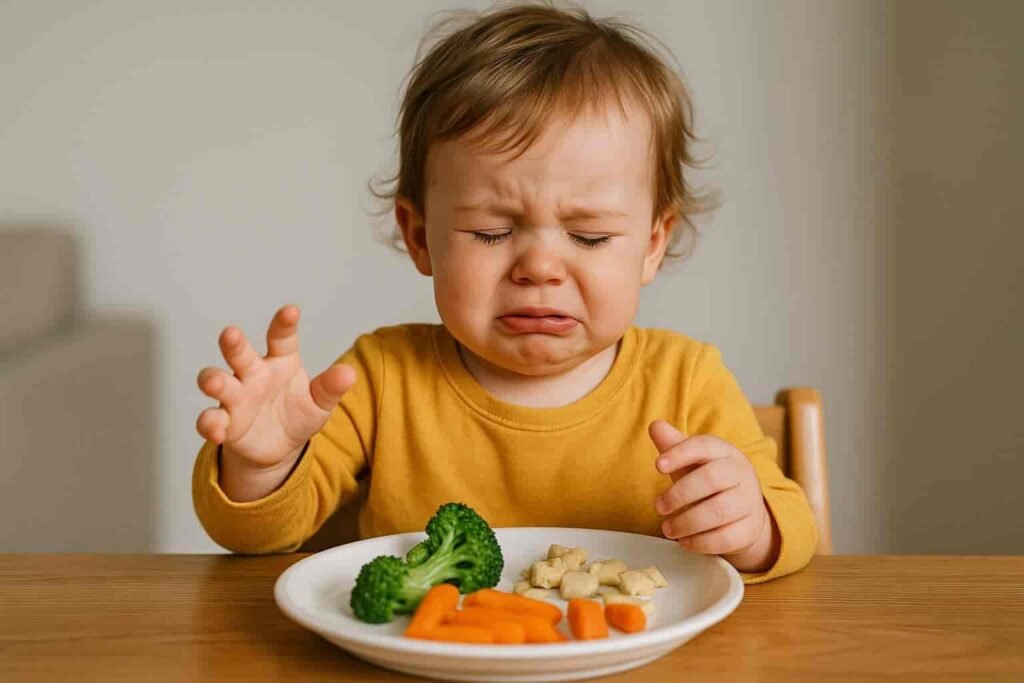
However, sudden food refusal should not always be dismissed as ordinary picky eating. Teething discomfort, constipation, illness, excessive milk consumption, oral discomfort, and feeding difficulties can also affect a toddler’s willingness to eat.
Understanding the reason behind your child’s behavior can help you respond calmly and make mealtimes more comfortable.
In this comprehensive guide, we explore 10 common reasons why toddlers suddenly refuse food, practical ways to encourage healthy eating, nutritious foods to offer, sample meal ideas, and important warning signs that parents should recognize.
Is It Normal for a Toddler to Suddenly Refuse Food?
Yes. It is common for toddlers to experience periods when they eat less than usual or reject foods they previously enjoyed.
During infancy, children generally experience rapid growth and need frequent feeding. After their first birthday, growth usually becomes slower compared with the first year of life. As a result, their appetite and food requirements change.
Toddlers are also developing their personalities and learning how to make independent decisions. Refusing food can sometimes be one of the ways they communicate their preferences.
For example, your child may:
- Eat a large breakfast but refuse lunch.
- Enjoy vegetables one day and reject them the next.
- Prefer only a few familiar foods.
- Refuse food prepared in a different shape or texture.
- Want to feed themselves instead of being fed by an adult.
- Eat more on active days and less when they are tired.
- Become distracted and leave the dining table before finishing.
These behaviors do not necessarily indicate a nutritional problem.
Instead of focusing on how much your toddler eats at one particular meal, pay attention to their overall eating pattern, energy levels, hydration, and growth over time.
The NHS recommends looking at what a child eats over a week rather than worrying about every individual meal. If a child is active, appears well, and is gaining weight appropriately, occasional food refusal is often less concerning.
However, persistent refusal, weight loss, difficulty swallowing, dehydration, or other concerning symptoms should be discussed with a healthcare professional.
10 Common Reasons Why Your Toddler Is Suddenly Refusing Food
1. Their Growth Rate Has Naturally Slowed Down
One of the most common explanations for a toddler’s reduced appetite is the natural change in growth rate that happens after infancy.
During the first year, babies grow quickly. They develop new physical abilities, increase their body weight, and require substantial energy to support rapid development.
After the first birthday, growth generally becomes slower. Toddlers are still developing, but their bodies may not require the same amount of food they needed during early infancy.
This can surprise parents who are accustomed to feeding their babies frequently.
A toddler who previously finished a full bowl of porridge may suddenly eat only a few spoonfuls. Another child may enjoy breakfast but show little interest in lunch.
This does not automatically mean that the child is undernourished.
Why does this happen?
Several factors contribute to changes in appetite:
- Physical growth becomes less rapid.
- Energy requirements vary with activity.
- Children become better at recognizing fullness.
- Appetite naturally changes throughout the day.
- Toddlers begin developing stronger food preferences.
Some children also experience noticeable differences in appetite during growth spurts. They may eat more for a few days and then return to smaller portions.
What parents can do
The most helpful approach is to offer nutritious food regularly without expecting your toddler to finish every serving.
Try these strategies:
- Start with small portions and offer additional food if your child wants more.
- Include a variety of food groups throughout the day.
- Maintain reasonably consistent meal and snack times.
- Avoid comparing your toddler’s appetite with another child’s.
- Monitor growth through regular healthcare appointments.
Remember that an individual meal does not provide a complete picture of your child’s nutritional health. Growth patterns over time are more informative than counting every bite.
If you are concerned about weight gain or growth, ask your pediatrician to review your child’s growth chart.
2. Teething Is Making Eating Uncomfortable
Teething is another possible reason why a toddler suddenly refuses food.
When new teeth emerge, the gums can become tender and uncomfortable. Some children may become more sensitive to chewing, especially when eating firm, crunchy, or chewy foods.
A toddler who normally enjoys apple pieces, toast, or raw vegetables may temporarily prefer softer foods.
You might also notice that your child is:
- Chewing on toys or fingers.
- Drooling more than usual.
- Rubbing their gums.
- Becoming irritable during meals.
- Showing less interest in foods that require chewing.
Not every toddler experiences significant discomfort during teething, and food refusal should not automatically be blamed on new teeth.
Which foods can you offer during teething?
When chewing appears uncomfortable, try foods with soft, age-appropriate textures.
Some examples include:
- Plain full-fat yogurt.
- Mashed banana.
- Soft scrambled eggs.
- Smooth oatmeal.
- Mashed sweet potato.
- Soft-cooked lentils.
- Well-cooked vegetables.
- Soft fruit prepared safely.
You can also offer cool, soft foods if your child finds them soothing.
Avoid hard foods that could cause discomfort or create a choking hazard. Always supervise your child while eating.
When should parents be concerned?
Teething should not be used to explain a high fever, persistent vomiting, severe diarrhea, or a child who appears seriously unwell.
If your toddler refuses fluids, has significant pain, or develops other concerning symptoms, contact a healthcare professional.
3. Your Toddler Is Developing Picky Eating Habits
Picky eating is one of the most familiar challenges parents experience during toddlerhood.
A child who previously enjoyed a variety of foods may suddenly become selective. They may reject vegetables, refuse meat, dislike mixed dishes, or insist on eating only a few familiar meals.
Some toddlers also develop strong preferences about how food is presented.
For example, your child may eat carrots when they are mashed but refuse them when they are steamed. They may enjoy rice and chicken separately but reject the same ingredients when mixed together.

These preferences can be frustrating, but they are often part of normal childhood development.
Why do toddlers become picky eaters?
Several developmental factors may contribute:
- Children become more aware of unfamiliar tastes.
- They begin expressing personal preferences.
- New textures can feel uncomfortable or unfamiliar.
- They may prefer predictable foods.
- They are learning to exercise independence.
Some children also become cautious around unfamiliar foods. This behavior is sometimes called food neophobia, meaning reluctance to try new foods.
How can you help a picky toddler?
The most important strategy is repeated, pressure-free exposure.
Do not assume that your toddler dislikes a food permanently because they rejected it once.
Try these approaches:
- Offer a small amount of unfamiliar food alongside a familiar favorite.
- Change the presentation or cooking method.
- Let your child observe you eating the same food.
- Encourage touching and smelling unfamiliar foods.
- Offer the food again on another day.
- Avoid forcing your child to take a bite.
The CDC explains that children may need to encounter certain foods repeatedly before accepting them. Some may need eight to ten or more exposures.
For example, if your toddler refuses broccoli, you could try offering it steamed one day, mixed into a familiar meal another day, and served with a suitable dip later.
The goal is to make unfamiliar foods less intimidating, not to win an argument at the dinner table.
4. Too Many Snacks Are Reducing Their Appetite
Sometimes a toddler refuses regular meals simply because they are not hungry.
This can happen when children receive snacks too frequently throughout the day.
Parents naturally want to make sure their children have enough energy, so they may offer crackers, biscuits, fruit, milk, yogurt, or other snacks whenever the child asks.
Although nutritious snacks are important, constant grazing can make it difficult for toddlers to develop predictable hunger patterns.
Imagine a child who eats a banana at 9:00 a.m., biscuits at 10:00 a.m., drinks milk shortly afterward, and receives another snack before lunch.
By the time lunch is served, the child may have little interest in eating.
Signs that snacking may be affecting appetite
You may notice that your toddler:
- Refuses lunch but frequently requests snacks.
- Eats very small amounts at regular meals.
- Prefers biscuits or packaged snacks over family food.
- Drinks milk throughout the day.
- Becomes upset when favorite snacks are unavailable.
How to improve the routine
Try establishing predictable eating opportunities.
A typical day might include:
- Breakfast.
- Morning snack.
- Lunch.
- Afternoon snack.
- Dinner.
Some toddlers may also need another snack depending on their age, activity, and individual needs.
The CDC recommends structured meals and snacks as part of healthy early feeding routines.
Try to avoid continuous eating throughout the day.
Offer water between meals and snacks, and encourage your toddler to sit safely while eating.
It is also important to distinguish nutritious snacks from treats. Fruit, plain yogurt, soft-cooked vegetables, and suitable whole-grain foods can contribute useful nutrients.
A predictable routine gives children opportunities to recognize hunger and fullness rather than relying on snacks whenever they become bored or restless.
5. Constipation Is Making Your Toddler Feel Uncomfortable
Constipation can have a noticeable effect on a toddler’s appetite.
When stool builds up in the digestive system, children may experience abdominal discomfort, bloating, and a feeling of fullness.
A toddler who is uncomfortable may refuse breakfast, eat very little lunch, or become upset when asked to sit down for dinner.
Parents sometimes focus entirely on the child’s food preferences without realizing that digestive discomfort may be contributing to the problem.
Common signs of constipation
Look for symptoms such as:
- Hard or dry stools.
- Pain or straining during bowel movements.
- Less frequent bowel movements than usual.
- Small, pellet-like stools.
- Abdominal pain or bloating.
- Avoiding the toilet or hiding when needing to pass stool.
- Reduced appetite.
Not every child has all these symptoms.
Which foods may help support regular bowel movements?
A varied diet containing fiber can help support digestive health.
Consider offering:
Pears: Pears contain fiber and can be served ripe, peeled if necessary, and prepared in a safe texture.
Prunes: Prunes are a source of fiber and may help some children with constipation.
Oatmeal: Oats provide fiber and can be prepared as a soft breakfast.
Peas: Well-cooked peas provide fiber and other nutrients. Prepare them appropriately for your child’s developmental stage.
Vegetables: Soft-cooked broccoli, carrots, and other vegetables can contribute fiber.
Whole grains: Age-appropriate whole-grain bread, pasta, and cereals can add variety to the diet.
Water is also important.
If constipation persists, causes pain, or affects eating, consult your pediatrician. A child with severe abdominal swelling, vomiting, or significant pain needs prompt medical assessment.
Do not start laxatives or other constipation treatments without appropriate medical guidance.
6. Your Toddler Is Feeling Sick
A temporary decrease in appetite can occur when a toddler becomes ill.
Children may refuse meals when they have a cold, sore throat, fever, ear infection, stomach illness, or another infection.
Eating may feel uncomfortable, especially when swallowing hurts or nausea is present.
Some children who normally eat several meals a day may temporarily accept only a few familiar foods.
How illness affects appetite
Different symptoms can influence eating in different ways.
A sore throat may make swallowing painful. Nasal congestion can make eating more difficult. Nausea may reduce interest in food, while vomiting and diarrhea can increase the risk of dehydration.
Ear infections and other painful conditions may also make children less interested in meals.
What parents should do
During illness, hydration and your child’s overall condition are important.
Try the following:
- Offer small amounts of fluid frequently.
- Provide familiar foods when your child shows interest.
- Avoid pressuring your toddler to finish meals.
- Allow additional rest.
- Monitor urination and energy levels.
- Follow medical advice regarding fever, vomiting, diarrhea, or other symptoms.
If your toddler has vomiting or diarrhea, ask a healthcare professional whether an oral rehydration solution is appropriate.
Do not force solid foods when your child feels unwell.
When should you seek medical help?
Contact a healthcare professional if your toddler has persistent fever, repeated vomiting, ongoing diarrhea, significant pain, or a noticeable decline in their general condition.
Seek urgent care if your child cannot maintain hydration, has very little urine, becomes unusually sleepy, or shows other signs of serious illness.
7. Your Toddler Wants More Independence
Toddlerhood is an important period for developing independence.
Children begin discovering that they can make choices and communicate their preferences. They may want to hold their own spoon, choose their cup, decide where to sit, or select which food they want to eat.
Sometimes, refusing a meal is not really about the food. It may be about wanting more control over the situation.
For example, a toddler may reject a plate because an adult is trying to feed them when they want to use their own spoon.
Another child may become upset because two foods are touching.
How independence affects eating
During this stage, toddlers are developing:
- Personal preferences.
- Self-feeding skills.
- Communication abilities.
- Awareness of hunger and fullness.
- Interest in making simple decisions.
Allowing appropriate independence can make mealtimes more positive.
What parents can do
Offer two reasonable choices rather than allowing unlimited alternatives.
For example:
“Would you like scrambled eggs or oatmeal?”
“Would you like your banana on this plate or in your bowl?”
“Would you like to use your small spoon or your fork?”
You can also allow your child to help with simple food preparation tasks, such as washing vegetables, placing fruit on a plate, or stirring ingredients with supervision.
Do not expect perfect behavior. Food may fall on the floor, and some meals may become messy.
These experiences are part of learning.
Parents should remain responsible for offering safe, nutritious foods and maintaining a predictable routine. Children should be allowed to respond to their own hunger and fullness signals.
8. Changes in Routine Are Affecting Their Eating Habits
Toddlers often feel comfortable when their daily activities follow a familiar pattern.
Sudden changes can sometimes affect their appetite and willingness to eat.
Examples include:
- Starting daycare or preschool.
- Moving to a new home.
- Traveling to another city or country.
- Welcoming a new baby into the family.
- Changes in sleeping arrangements.
- A parent returning to work.
- Switching caregivers.
- Changes in meal timing.
Some children respond to unfamiliar situations by becoming quieter, more emotional, or more selective about food.
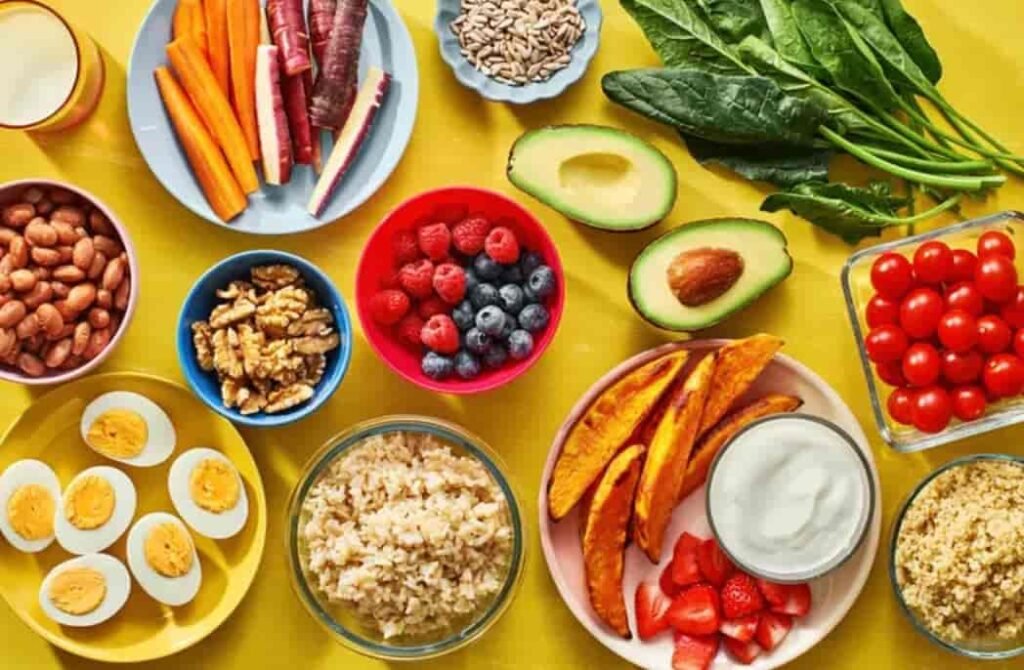
For example, a toddler who previously ate well at home may refuse meals during the first few weeks of daycare.
How to help your toddler adjust
Try maintaining familiar eating habits whenever possible.
You can:
- Keep breakfast and dinner at consistent times.
- Offer familiar foods during periods of change.
- Maintain a calming bedtime routine.
- Eat together when possible.
- Give your toddler time to become comfortable in new surroundings.
- Communicate with daycare staff about your child’s usual eating habits.
If your toddler refuses food for an extended period or develops other concerning symptoms, discuss the situation with a pediatrician.
9. Your Toddler Is Drinking Too Much Milk or Juice
Milk can be a nutritious part of a toddler’s diet, but excessive consumption may reduce interest in solid foods.
Milk provides calories and can make a young child feel full. If a toddler drinks milk frequently throughout the day, they may have little appetite when meals are served.
Some children also become strongly attached to drinking milk from a bottle or cup, especially before sleeping or whenever they feel upset.
Juice and other sweet drinks can also displace nutritious foods.
How much milk is appropriate?
For children aged 12–24 months, the American Academy of Pediatrics generally recommends whole milk, with individual adjustments when advised by a healthcare professional.
Its guidance commonly recommends limiting cow’s milk to approximately 16–24 ounces per day after the first birthday.
The appropriate amount depends on the child’s overall diet, growth, and medical circumstances. Breastfeeding can also continue beyond the first birthday if desired.
Excessive cow’s milk consumption can contribute to iron deficiency because it may replace iron-rich foods in the diet.
Signs that milk may be affecting your toddler’s appetite
- Your child requests milk instead of meals.
- They frequently refuse solid foods.
- They drink large quantities of milk every day.
- They ask for milk shortly before meals.
- They wake frequently requesting milk.
- They show little interest in other foods.
How parents can encourage a balanced diet
Try offering milk with meals rather than allowing continuous drinking throughout the day.
Provide water between meals and snacks.
Encourage iron-containing foods such as meat, lentils, beans, eggs, and iron-fortified cereals.
If your toddler drinks very large amounts of milk or eats very few solid foods, discuss a gradual feeding plan with your pediatrician.
Do not make abrupt changes if your child has a specific medical or nutritional requirement.
10. Stressful Mealtimes Are Increasing Food Refusal
Sometimes the way adults respond to food refusal can unintentionally make the problem worse.
Parents understandably worry when children eat very little. They may repeatedly ask for another bite, insist that the plate must be finished, or offer sweets as a reward for eating vegetables.
Although these strategies are often intended to encourage healthy eating, they can turn meals into stressful experiences.
A toddler may begin associating the dining table with pressure, arguments, or frustration.
Examples of mealtime pressure
- Asking a child to take another bite repeatedly.
- Threatening to remove toys if food is not finished.
- Forcing a toddler to remain at the table.
- Offering dessert only if vegetables are eaten.
- Comparing the child with siblings.
- Showing anger whenever a meal is rejected.
How to create a positive mealtime environment
Try changing the atmosphere.
Instead of saying, “You must finish your food,” say, “Here is your dinner. You can decide how much you would like to eat.”
Avoid turning food into a reward or punishment.
Eat together whenever possible and talk about everyday subjects rather than focusing entirely on the child’s plate.
If your toddler refuses a meal, remain calm. Remove the food without creating an argument and continue with the usual eating routine.
A positive environment allows children to explore food without feeling that every bite is being judged.
How to Encourage a Toddler Who Suddenly Refuses Food
Understanding the causes of food refusal is important, but parents also need practical ways to improve everyday eating habits.
The following strategies can help create a healthier relationship with food.
1. Establish a Consistent Eating Schedule
A predictable schedule helps toddlers understand when meals and snacks are available.
Try serving breakfast, lunch, and dinner at reasonably consistent times, with planned snacks between meals.
Avoid allowing children to eat continuously throughout the day.
A routine does not need to follow exact clock times. It should simply provide regular opportunities to eat and drink.
2. Start With Small Portions
A large serving may overwhelm a toddler who has a small appetite.
Start with a small amount of each food and offer more if your child wants it.
For example, you could serve a small portion of scrambled egg, a few soft fruit pieces, and a little oatmeal.
Do not interpret a small serving as evidence that your child is not eating enough. The right amount varies between children.
3. Offer Familiar Foods Alongside New Foods
Introducing unfamiliar foods can be easier when they are served with something the child already enjoys.
For example, if your toddler likes rice, you could serve a small portion of soft-cooked vegetables and chicken alongside it.
This allows the child to explore something new without feeling that their entire meal is unfamiliar.
4. Avoid Forcing Your Child to Eat
Force-feeding can create negative associations with meals.
Instead, provide nutritious options and let your child decide whether and how much to eat.
This does not mean allowing unlimited snacks or preparing a different meal every time your child refuses dinner.
It means establishing a calm routine while respecting your child’s hunger and fullness signals.
5. Let Your Toddler Participate in Food Preparation
Toddlers often enjoy being involved in everyday activities.
Depending on their abilities, they can help wash fruit, place vegetables in a bowl, or stir ingredients under close supervision.
This can make unfamiliar foods feel more interesting.
Never allow toddlers to handle sharp knives, hot cookware, or other dangerous kitchen equipment.
6. Eat Together as a Family
Children learn by observing adults.
When parents eat a variety of foods and demonstrate relaxed eating habits, toddlers have an opportunity to become familiar with different flavors.
Family meals can also help create a sense of routine and connection.
You do not need to prepare a separate menu for every family member. When appropriate, offer your toddler a safe, age-appropriate version of the family meal.
7. Change the Presentation of Food
Sometimes a child rejects a food because of its appearance, texture, or presentation rather than its flavor.
Try preparing the same ingredient in different ways.
For example:
- Serve sweet potatoes mashed or soft-cooked.
- Offer carrots grated or steamed.
- Try banana slices or mashed banana.
- Serve vegetables separately rather than mixing everything together.
- Offer suitable dips alongside familiar foods.
Keep portions small and avoid creating unnecessary pressure.
Healthy Foods to Offer When Your Toddler Refuses Meals
When a toddler is eating less than usual, parents often search for foods that can provide useful nutrients in smaller portions.
There is no single food that can solve sudden appetite loss. However, offering a varied diet can help children receive important nutrients over time.
Here are some food groups and examples to consider.
Protein-Rich Foods
Protein supports normal growth and development.
Suitable options may include:
- Well-cooked eggs.
- Soft chicken prepared in small, safe pieces.
- Boneless, thoroughly cooked fish with bones carefully removed.
- Lentils.
- Beans.
- Plain yogurt.
- Tofu.
Offer different sources rather than relying on one food every day.
Iron-Rich Foods
Iron is important for healthy blood and development.
Examples include:
- Meat.
- Lentils.
- Beans.
- Iron-fortified cereals.
- Eggs.
- Dark green vegetables.
Pairing plant sources of iron with vitamin C-containing foods, such as suitable fruit or vegetables, can help the body absorb non-heme iron.
If your child eats a very limited diet, ask a healthcare professional whether an iron assessment is needed.
Healthy Fat Sources
Fats provide energy and support normal development.
Suitable options can include:
- Avocado.
- Olive oil used in cooking.
- Full-fat plain yogurt where appropriate.
- Smooth nut butter spread thinly or mixed into food.
- Finely ground seeds.
Whole nuts and thick spoonfuls of nut butter can be choking hazards for young children.
Fruit and Vegetables
Offer a variety of colors, flavors, and textures.
Examples include:
- Banana.
- Pear.
- Soft peach.
- Avocado.
- Sweet potato.
- Broccoli.
- Carrots.
- Peas.
- Pumpkin.
Prepare each food according to your child’s developmental ability and choking risk.
Whole Grains and Other Starchy Foods
These foods provide energy and can be part of balanced meals.
Examples include:
- Oatmeal.
- Soft rice.
- Whole-grain bread.
- Pasta.
- Potatoes.
- Sweet potatoes.
- Other suitable grains.
Choose age-appropriate textures and limit added salt and sugar.
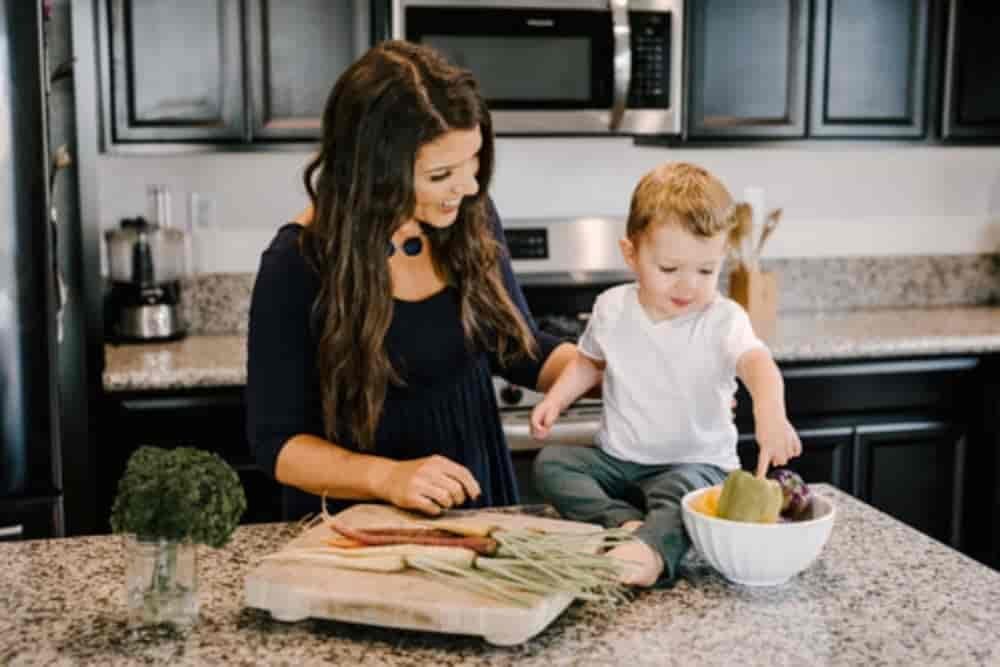
Sample One-Day Meal Plan for a Toddler With a Small Appetite
Parents sometimes find it difficult to decide what to prepare when their toddler refuses food.
The following is an example of how a day might be organized. It is not a prescribed diet or a required amount of food. Adjust portions, textures, allergies, and food choices to your child’s needs.
Breakfast
Option: Scrambled egg with soft toast and fruit
Possible foods:
- Soft scrambled egg.
- Small pieces of appropriately prepared toast.
- Ripe banana or pear.
- Water.
This meal provides a combination of protein, carbohydrates, and other nutrients.
Morning Snack
Option: Plain yogurt with soft fruit
Possible foods:
- Plain, unsweetened yogurt.
- Soft fruit prepared safely.
Avoid adding honey for children under 12 months. For toddlers over one year, honey can be used where appropriate, but added sugar is best kept low.
Lunch
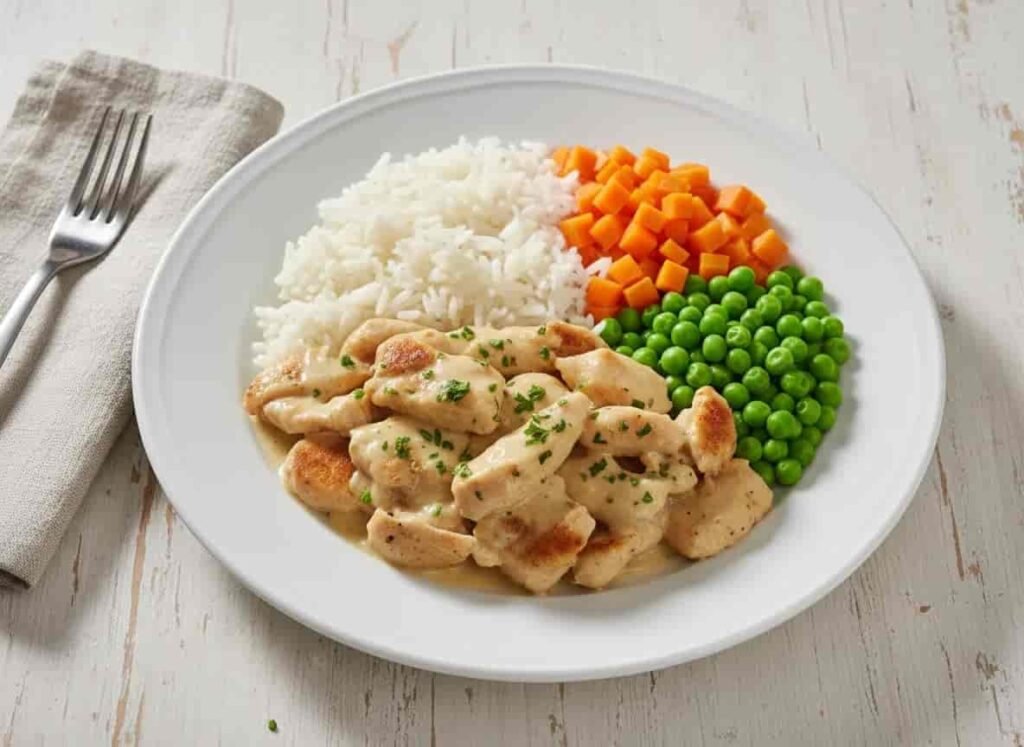
Option: Chicken and vegetable rice
Possible ingredients:
- Well-cooked chicken, finely shredded.
- Soft rice.
- Cooked carrots.
- Peas prepared safely.
- A small amount of olive oil if suitable.
Serve ingredients separately if your toddler dislikes mixed dishes.
Afternoon Snack
Option: Avocado and toast
Possible foods:
- Soft avocado.
- Age-appropriate toast pieces.
- Water.
Dinner
Option: Lentils with soft vegetables
Possible ingredients:
- Well-cooked lentils.
- Mashed sweet potato.
- Soft-cooked vegetables.
- A little suitable seasoning without excessive salt.
Allow your child to choose how much to eat.
The goal is to provide regular opportunities for nutritious eating rather than forcing a particular amount of food.
When Should You Worry About Your Toddler Refusing Food?
Although occasional food refusal is common, certain symptoms require attention.
Parents should look at the complete picture rather than focusing only on appetite.
1. Noticeable Weight Loss
If your toddler is losing weight, has stopped growing as expected, or is crossing downward through their growth chart, arrange an assessment with a pediatrician.
Weight changes should be interpreted by a healthcare professional who can consider the child’s previous measurements and overall development.
2. Persistent Refusal of Most Foods
A child who regularly accepts only one or two foods may be at risk of nutritional gaps.
If your toddler’s diet becomes extremely restricted or food refusal continues to interfere with everyday life, seek professional guidance.
3. Difficulty Chewing or Swallowing
Coughing, choking, gagging, pain, or difficulty swallowing should not be dismissed as ordinary picky eating.
These symptoms may indicate a feeding or swallowing problem and deserve medical assessment.
4. Signs of Dehydration
Watch for:
- Much less urine than usual.
- A very dry mouth.
- No tears when crying.
- Unusual sleepiness.
- Sunken-looking eyes.
Seek urgent medical advice if you suspect dehydration.
5. Repeated Vomiting or Diarrhea
Persistent vomiting or diarrhea can affect hydration and nutrition.
Contact a healthcare professional for advice, particularly if your child cannot keep fluids down or appears increasingly unwell.
6. Severe Abdominal Pain or Swelling
Significant abdominal pain, a swollen abdomen, or vomiting with severe discomfort requires prompt medical attention.
7. Extreme Fatigue or Unusual Behavior
If your toddler becomes unusually weak, difficult to wake, or noticeably less responsive, seek urgent medical care.
Parents should trust their observations. If something about their child’s condition feels seriously wrong, it is better to seek medical help rather than wait.
Frequently Asked Questions About Toddlers Suddenly Refusing Food
1. Why is my toddler suddenly not eating anything?
A sudden reduction in appetite can happen because of normal growth changes, illness, teething discomfort, constipation, excessive milk consumption, or changes in routine.
If your toddler refuses both food and fluids, appears unwell, or shows signs of dehydration, contact a healthcare professional promptly.
2. How long can a toddler go through a picky eating phase?
There is no fixed duration. Some toddlers become more adventurous with food as they grow, while others remain selective for longer.
Continue offering different nutritious foods without pressure. If the diet becomes extremely restricted or affects growth, seek professional advice.
3. Should I force my toddler to eat when they refuse food?
No. Force-feeding can make mealtimes stressful and increase resistance.
Offer balanced meals and planned snacks, then allow your toddler to respond to their hunger and fullness signals.
4. What should I do if my toddler only wants milk?
Frequent milk consumption can reduce appetite for solid foods.
Discuss the amount your child drinks with your pediatrician. You may need to establish a gradual routine that gives more opportunities for solid foods while maintaining appropriate milk intake.
5. Can teething cause a toddler to stop eating?
Teething discomfort may temporarily reduce interest in foods that require chewing.
Offer suitable soft foods and monitor hydration. Do not assume that all appetite loss or illness symptoms are caused by teething.
6. Why does my toddler eat at daycare but refuse food at home?
Children sometimes respond differently to different environments.
They may copy other children at daycare, follow a structured routine, or enjoy eating with caregivers. At home, they may be more comfortable expressing their preferences.
Discuss the differences with daycare staff and try to maintain a consistent approach.
7. Why does my toddler eat breakfast but refuse dinner?
Appetite can change throughout the day. Your child may have eaten more during earlier meals, had too many snacks, or become tired by dinner.
Look at the overall eating pattern instead of judging dinner alone.
8. Can constipation cause loss of appetite in toddlers?
Yes. Constipation may cause discomfort, bloating, and a feeling of fullness.
Offer suitable fiber-containing foods and water. If constipation persists or causes significant discomfort, contact your child’s healthcare provider.
9. Should I give vitamins to a toddler who refuses food?
Not every picky eater needs vitamin supplements.
A healthcare professional can assess your child’s diet and determine whether supplementation or testing is appropriate. Avoid giving high-dose vitamins without medical advice.
10. When should I take my toddler to the pediatrician for refusing food?
Arrange an assessment if food refusal persists, affects growth, causes a very limited diet, or occurs alongside pain, vomiting, constipation, or swallowing difficulties.
Seek urgent care for dehydration, severe illness, breathing difficulties, or unusual drowsiness.
“For more ideas on supporting your child’s nutrition, read our guide to High-Calorie Smoothies for Toddlers
Final Thoughts: Helping Your Toddler Develop Healthy Eating Habits
It can be stressful when your toddler suddenly refuses foods they previously enjoyed. Parents naturally worry about nutrition, growth, and whether their child is receiving enough energy.
However, occasional changes in appetite and food preferences are common during early childhood.
The most useful approach is to understand the possible reasons behind food refusal, maintain a predictable eating routine, provide a variety of nutritious options, and avoid turning meals into a daily struggle.
Remember these important principles:
- Offer regular meals and planned snacks.
- Start with small, age-appropriate portions.
- Introduce unfamiliar foods patiently.
- Allow your toddler to develop self-feeding skills.
- Avoid force-feeding and food-related punishment.
- Monitor hydration, energy, and growth.
- Seek professional guidance when food refusal persists or concerning symptoms develop.
Your toddler does not need to finish every plate to develop healthy eating habits. What matters is providing consistent opportunities for balanced nutrition while respecting their individual needs.
With patience, appropriate guidance, and a supportive mealtime environment, many children gradually become more comfortable exploring different foods.
If your child continues refusing food, loses weight, struggles to swallow, or appears unwell, speak with a pediatric healthcare professional rather than assuming the behavior is simply a phase.
Medical Disclaimer: This article is intended for general educational purposes and does not replace professional medical advice, diagnosis, or treatment. Every child has individual nutritional requirements. Consult a qualified pediatric healthcare professional about persistent appetite changes, feeding difficulties, growth concerns, or symptoms of illness.